The Best Snorkeling Spots in Antigua
Antigua's coastline is dotted with reefs, but not all of them work the same way for a visitor without a boat of their own, and sorting the best snorkeling spots in Antigua starts with a simple question: can you walk in from the sand, or do you need a ride out? This guide splits the island's spots along that line, then goes site by site on depth, what snorkellers report seeing, and who each one suits, alongside the reef snorkelling trips in Antigua that reach the ones you cannot swim to on your own.
Quick answer
Antigua's snorkelling spots split cleanly into two groups: beaches you can wade into straight off the sand, and reefs that only a boat reaches. Galleon Beach in Freeman's Bay is the easiest shore entry on the island, while Cades Reef, a barrier reef roughly a quarter of a mile offshore on the south-west coast, sits inside a protected reserve and is only reachable by boat.
Key takeaways
- Galleon Beach in Freeman's Bay has the easiest shore entry on the island, with a shallow reef 20 to 25 metres out and the Pillars of Hercules headland close by; the Galleon Beach turtle swim works this same cove.
- Cades Reef lies inside the Cades Bay Marine Reserve and is boat-only; the Cades Reef lobster lunch cruise is $160 per person for the crossing plus lunch. Last verified: August 2026.
- Long Bay's reef is reached by swimming out about 30 metres from the beach's right-hand side, no boat required.
- Stingray City is a shallow sandbar near Seatons where southern stingrays gather in waist-to-chest water, visited on the Stingray City and Long Bay trip for $134. Last verified: August 2026.
- Rainfall and swell move water clarity around far more than the calendar does; for the month-by-month picture see when the water is clearest.
- Boat trips into the protected reefs sit in the same price bands as everything else on the island; see what a snorkelling day costs.
What You Can Reach on Foot, and What Needs a Boat
A first-timer planning a trip around Antigua's reefs usually starts by picking a beach off a map, then wonders why the water near the shoreline is quieter than the photos in the tour listings. The honest answer is that Antigua's richest reef life sits offshore, inside two protected areas that a swimmer cannot reach unassisted, while the shore-accessible bays trade some of that richness for the convenience of walking in whenever you like. Neither is better in the abstract; they suit different mornings of a trip.
The shore spots below are grouped by how they are actually used: a quiet solo swim before breakfast, a family afternoon that does not require booking anything, or a stop tacked onto a day of driving the coast road. The boat-only spots are grouped by what a guided trip actually buys you: distance offshore, a reef most visitors would never find alone, and, at Cades Reef and inside the North East Marine Management Area, protection status that keeps the reef in better shape than an open, walk-in bay usually stays.
Every Antigua Snorkelling Spot, Compared
Read the table by access first, then depth: shore spots put you in the water in minutes, boat spots trade that convenience for reef that has seen less foot traffic.
Spot comparison
| Spot | How you get in | Depth | What people report seeing | Who it suits |
|---|---|---|---|---|
| Galleon Beach | Wade in from the sand, Freeman's Bay | Shallow, reef 20 to 25 metres out | Green turtles on the seagrass, small wrecks, reef fish | First-timers, families |
| Long Bay | Swim out from the right-hand side of the beach | Shallow, reef about 30 metres out | Reef fish sheltered by the barrier reef itself | Confident beginners |
| Half Moon Bay | Wade in at the right-hand end of the bay | Shallow near shore, open water gets swell | Reef fish; open end better for bodysurfing than snorkelling | Strong swimmers who pick their spot |
| Dickenson Bay | Wade in, calm and shallow | Shallow throughout | Modest reef life compared with the boat sites | Families with young children |
| Deep Bay | Wade in near St John's | Calm, shallow | A wreck in the bay; limited reef | Cruise passengers short on time |
| Pigeon Point | Wade in, Falmouth Harbour | Calm and shallow | Reef fish in a sheltered setting | A relaxed, low-effort swim |
| Darkwood Beach | Wade in from the west-coast sand | Shallow, rocky at the ends | Fish holding around the rocky ends of the bay | A stop along the coast road |
| Cades Reef | Boat only, Cades Bay Marine Reserve | Reef about a quarter of a mile offshore | Parrotfish, angelfish, blue tangs, snapper, moray eels, eagle rays, occasional nurse shark | Anyone who wants the island's richest reef |
| Green Island | Boat only, North East Marine Management Area | Seagrass and reef, moderate depth | Turtles reported over the seagrass | Snorkellers who want a quieter reef |
| Great Bird Island and Hell's Gate | Boat only, reached from the North Sound | Reef and rock formations | Reef fish, coastal scenery, sometimes seabirds overhead | Photographers and combined sightseeing days |
| Stingray City | Boat only, sandbar near Seatons | Waist to chest depth | Southern stingrays gathering on the sand | Anyone who wants a close, operator-led stingray encounter |
| Coral Group Bay, Barbuda | Boat only, part of a Barbuda day trip | Reef, moderate depth | Reef fish on a less-visited reef | Travellers already making the Barbuda crossing |
Two patterns stand out reading down the table. The busiest walk-in bays, Dickenson Bay and Deep Bay, are also the ones with the thinnest reef life, because they sit closest to the resorts and the cruise port and see the most traffic and runoff. The boat-only sites at the other end of the table, Cades Reef especially, carry the longest species list precisely because they sit inside protected areas and get to fewer people at once.
Shore Snorkelling Spots
Galleon Beach
Galleon Beach, in Freeman's Bay, English Harbour, is the easiest shore entry on the island for a first-timer. The cove is sheltered on most days, the sand shelves gently, and the reef starts roughly 20 to 25 metres out, close enough to reach at an easy pace. Snorkellers commonly report small shipwrecks scattered over the sand and green turtles grazing the seagrass beds just off the beach.
At the headland sits the Pillars of Hercules, a wind-carved limestone formation that is as much a landmark from the water as it is from the shore path above it. Because the bay is enclosed by English Harbour on one side, it stays calmer than the open west-coast beaches on a breezy day, which is part of why it is the site most guided tours use, including the Galleon Beach turtle swim.
Long Bay
Long Bay sits on the east coast and rewards a slightly longer swim. The reef is reached by heading out from the right-hand side of the beach, about 30 metres from shore, and once you are over it the barrier reef itself takes the edge off any swell rolling in from the Atlantic side. It suits a snorkeller who is comfortable swimming a short distance in open water but does not want to book a boat for the morning.
The same stretch of coast is the water Stingray City trips finish on, since the Stingray City and Long Bay trip pairs the sandbar with a snorkel here.
Half Moon Bay
Half Moon Bay, on the south-east coast, is a long crescent of sand with two very different personalities depending which end you pick. The right-hand end is the calmer choice and the one worth snorkelling; the open end of the bay catches enough swell that it is better suited to bodysurfing than to spending time face-down over a reef. It is a beach worth combining with another activity rather than building a whole morning around, since the snorkelling itself is modest next to Galleon Beach or a boat trip.
Dickenson Bay
Dickenson Bay, on the north-west coast near the main resort strip, is calm, shallow and about as easy an entry as exists on the island, which makes it a sound pick for families with young children who just want to look at fish without a long swim. Reef life here is noticeably thinner than at the boat sites; this is a beach for a relaxed first look at snorkelling rather than a destination in its own right.
Deep Bay
Deep Bay sits close to St John's, which makes it the nearest snorkelling to the cruise port for a passenger without much spare time. The water is calm and there is a wreck resting in the bay that gives snorkellers something specific to look for, though the surrounding reef is limited. It is a fill-in option on a cruise day rather than a destination worth a special trip.
Pigeon Point
Pigeon Point, near Falmouth Harbour, is a calm, shallow bay that suits an unhurried swim more than a search for marine life. It sits close enough to English Harbour that it works well paired with a walk around the historic dockyard area, rather than as the day's main event.
Darkwood Beach
Darkwood Beach, on the west coast, has open sand in the middle of the bay but rocky ends that hold fish, so the snorkelling worth doing here concentrates at the edges rather than straight out from your towel. It is a reasonable stop if you are already driving the west-coast road and want a short swim without committing a whole morning to it.
What to carry for a shore snorkel
- Your own mask, snorkel and fins if you have them, or a rental from a beach kiosk
- Reef-safe or mineral sunscreen, or a rash guard for coverage instead
- Water shoes for the rockier ends of Darkwood and Half Moon Bay
- Cash in small EC dollar notes for a beach kiosk or a parking attendant
- A dry bag for your phone if you plan to carry it down to the water
Boat-Only Snorkelling Spots
Cades Reef
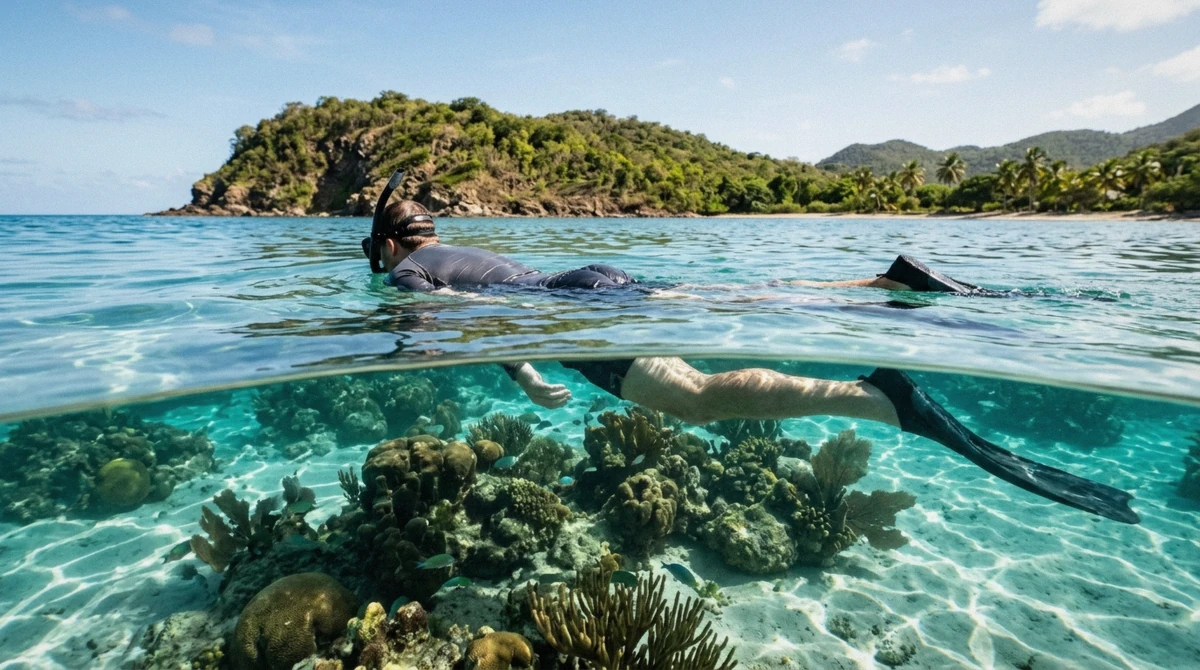
Cades Reef is the barrier reef that gives the Cades Bay Marine Reserve its name, lying roughly a quarter of a mile offshore on the south-west coast and reachable only by boat. It is widely described as running about two miles along the coast, though treat that figure as commonly reported rather than an official measurement. The species list here is the longest of any spot on this page: parrotfish, angelfish, blue tangs, snapper and moray eels are regularly reported, along with eagle rays and, on occasion, a nurse shark resting on the sand.
The Cades Reef lobster lunch cruise sails out from the coast and combines the snorkel with lunch aboard.
Green Island
Green Island sits off the east coast inside the North East Marine Management Area, and the seagrass beds around it are a spot where turtles are regularly reported grazing. It draws a smaller crowd than Cades Reef simply because fewer trips run out this way, which suits a snorkeller who would rather have more of the reef to themselves. The Green Island snorkel runs specifically to this site.
Great Bird Island and Hell's Gate
Great Bird Island and the nearby rock formation known as Hell's Gate sit in the North East Marine Management Area and are reached from the North Sound on Antigua's north-east coast. Alongside the reef itself, the approach by boat past the smaller islets and rock arches makes this a spot photographers tend to rate highly even before anyone gets in the water. A kayak-and-snorkel combination trip to Bird Island runs this route.
Stingray City
Stingray City is a shallow sandbar off the north-east coast near Seatons where southern stingrays gather in water that only reaches waist to chest depth, which makes it one of the more approachable boat trips for a nervous swimmer once you are actually in the water. Handling and any feeding on these trips is operator-led; it is not something to attempt on your own initiative, and sea turtles anywhere on the itinerary are protected wildlife that should never be touched or chased. The Stingray City and Long Bay trip is $134 per person for four hours and pairs the sandbar with the Long Bay reef.
Last verified: August 2026.
Coral Group Bay, Barbuda
Coral Group Bay sits on the Barbuda side of the crossing and is visited on Barbuda day tours that combine the reef with the island's other attractions, including the frigate bird colony in the Codrington Lagoon. Getting to Barbuda in the first place is its own logistics question, covered on our Barbuda day trip guide rather than repeated here.
Boat-only reefs and the trips that reach them
| Reef or site | Where it is | Protection | A trip that goes there | From |
|---|---|---|---|---|
| Cades Reef | About a quarter of a mile off the south-west coast | Cades Bay Marine Reserve | Lobster lunch cruise, 6 hours | $160 |
| Green Island | Off the east coast | North East Marine Management Area | Green Island snorkel, 4 hours | $169 |
| Great Bird Island and Hell's Gate | North-east, out of the North Sound | North East Marine Management Area | Kayak, snorkel and Bird Island, 4 hours | $147 |
| Stingray City | Sandbar off the north-east coast near Seatons | Not a designated reserve | Stingray City and Long Bay, 4 hours | $134 |
| Coral Group Bay | Barbuda | Near the Palaster Reef sanctuary | Guided Barbuda day tour, 6 hours | $130 |
Prices are the per-person starting rate on each operator's listing. Last verified: August 2026
Which Spot Fits Which Traveller
If You have never snorkelled before
Start at Galleon Beach. The entry is the easiest on the island and the reef sits close enough in that you never lose sight of the sand.
If You are travelling with young children
Dickenson Bay is calm, shallow and forgiving; save the boat-only reefs for a day without a toddler in tow.
If You are a strong, confident swimmer
Long Bay or a boat out to Cades Reef will give you far more reef than the calmer walk-in beaches.
If You are ashore for one cruise day
Deep Bay is the nearest option to the port, but a short boat trip to Cades Reef or Stingray City makes better use of a limited window if your all-aboard time allows it.
If You want the best photographs
Great Bird Island and Hell's Gate combine reef, rock formations and coastal scenery in one trip.
Trips That Reach the Boat-Only Reefs
None of the spots above that require a boat can be reached independently without renting one yourself, so a guided trip is the practical way in for most visitors. These run to the sites covered above.
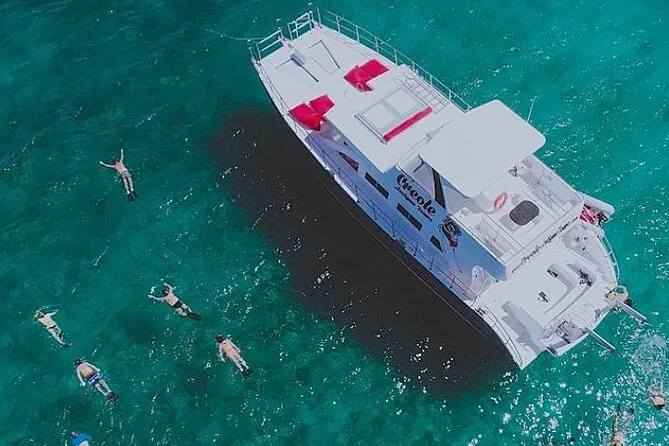 from $160Lobster Lunch — 484 Reviews, 4.8★
 Creole Antigua Snorkel & Lobster Lunch Cruise to Cades Reef
Cruise from Jolly Harbour to secluded Maiden Island and Cades Reef for guided snorkeling over coral, wrecks, and the occasional turtle or ray. Come ashore for a beachside…
- Boat cruise to Maiden Island and Cades Reef
- Guided snorkeling over reef, wrecks, and marine life
- Beachside grilled lobster lunch (seasonal)
- Rum punch and drinks from the onboard bar
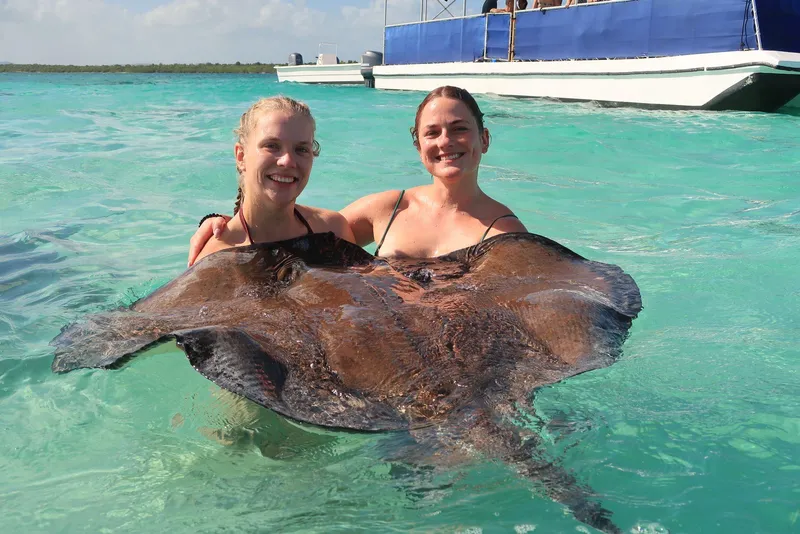 from $134Top Seller — 254 Reviews, 4.8★
 Stingray City Swim & Long Bay Snorkel
A relaxed half-day from St. John's that pairs Long Bay beach with the island's famous Stingray City sandbar. Wade and snorkel in waist-deep water while gentle southern stingrays…
- Swim and snorkel with stingrays at Stingray City
- Beach stop at scenic Long Bay
- Island sightseeing along the way
- Rum or fruit punch included
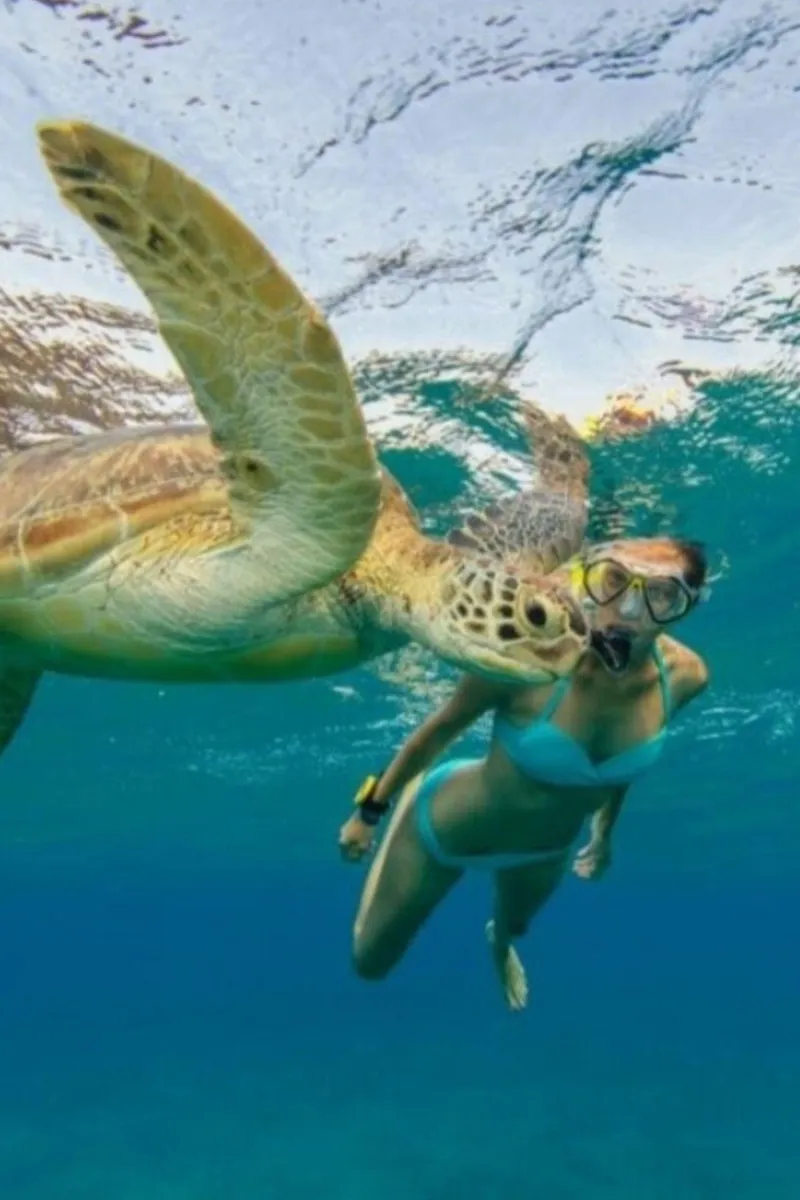 from $169Sea Turtle Snorkel
 Green Island Snorkel with Sea Turtles
Head to secluded Green Island off Antigua's calm east coast, known for clear water and vibrant tropical sea life. Snorkel over the reef in search of sea turtles…
- Snorkel the reef at secluded Green Island
- Look for sea turtles in clear, calm water
- About 90 minutes of beach time
- Local insight from your driver-guide
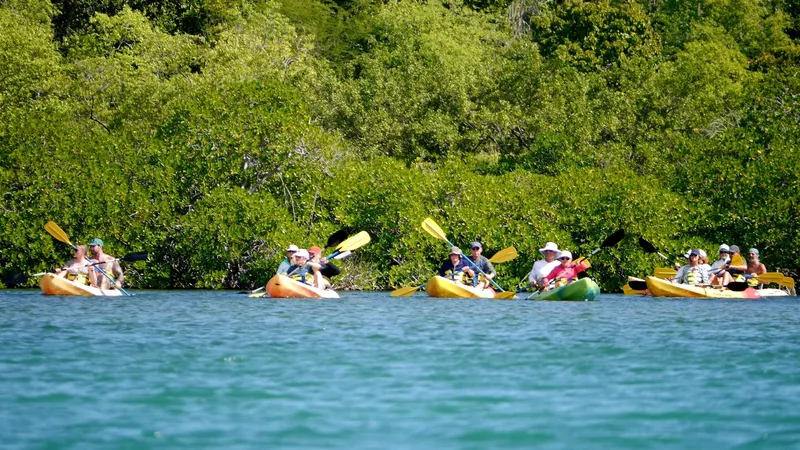 from $147Highly Rated — 14 Reviews, 4.9★
 Antigua Kayak, Snorkel & Bird Island Beach Tour
An active land-and-sea combo: a speedboat run, sea kayaking through sheltered waters, and snorkeling over the reef at uninhabited Bird Island. Expect mangroves, stingrays, turtles, and colorful fish…
- Sea kayaking through sheltered waters
- Reef snorkeling at uninhabited Bird Island
- Spot stingrays, turtles, and tropical fish
- Beach time on soft white sand
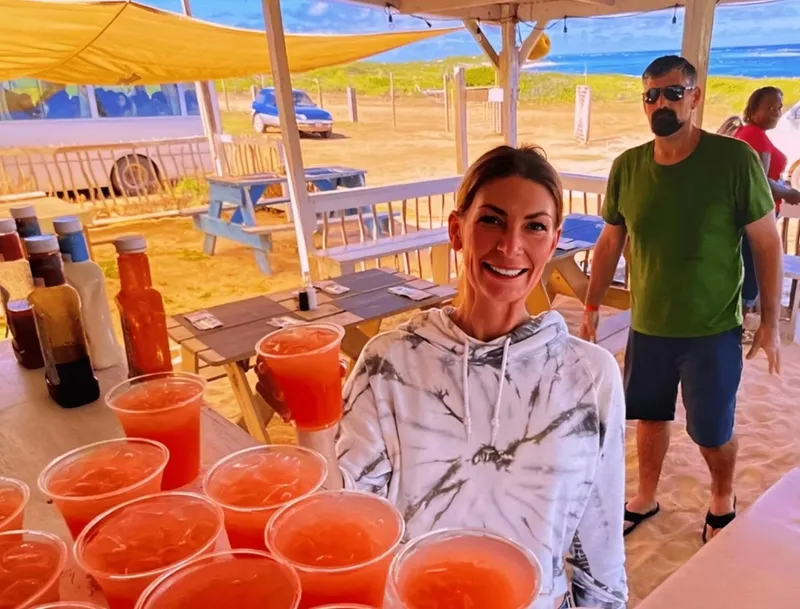 from $130Barbuda Day Trip
 Barbuda Guided Tour with Lunch & Snorkeling
A full day on Antigua's quieter sister island, Barbuda. A speedboat skims across the lagoon to the famous Pink Sand Beach, with stops at the Frigate Bird Sanctuary…
- Speedboat ride across the lagoon to Pink Sand Beach
- Visit the Frigate Bird Sanctuary
- See the historic Martello Tower and Two Foot Bay caves
- Included lunch with a vegetarian option
Cades Bay Marine Reserve and NEMMA: What Protection Means for You in the Water
Cades Reef sits inside the Cades Bay Marine Reserve, which protects the reef itself along with mangrove wetland, seagrass beds and turtle-nesting beaches on the south-west coast. The reserve is managed under the Fisheries Act No. 22 of 2006, and it has been a socio-economic monitoring site since 2007. Inside the reserve it is unlawful to fish, take or destroy flora and fauna, dredge or extract sand or gravel, discharge waste, disturb the natural environment, build structures, or use prohibited fishing nets.
No visitor fee or snorkelling permit is published for the reserve, so budgeting for the trip means paying for the boat and gear, not a separate entry charge.
The North East Marine Management Area, usually shortened to NEMMA, covers the coast broadly from Beggars Point to Friars Head and takes in Green Island, Great Bird Island, Prickly Pear Island, Hell's Gate and a scatter of smaller islets. It was designated under the same Fisheries Act framework in the mid-2000s. As with Cades Bay, no visitor fee or snorkelling permit is published for NEMMA; treat any operator who mentions a park fee with a question, since we found none published by the managing authority.
Which Spot We Would Send You To First
There is no sunscreen ban to plan around on either version of the trip; there is no oxybenzone or octinoxate rule in force in Antigua and Barbuda, though a mineral sunscreen or a rash guard is still a sound personal choice for reef care rather than a legal requirement.
Frequently Asked Questions
Where is the easiest place to snorkel from the beach in Antigua?
Galleon Beach in Freeman's Bay, English Harbour. The entry is gentle and the reef starts 20 to 25 metres out, close enough for a first-timer to manage comfortably.
Which snorkelling spots in Antigua need a boat?
Cades Reef, Green Island, Great Bird Island and Hell's Gate, Stingray City and Coral Group Bay on Barbuda are all boat-only; none of them can be reached by wading in from the sand.
How deep is the water at the Antigua snorkelling spots?
Most shore spots are shallow close to the beach, deepening gradually over the reef. Stingray City is unusually shallow for a boat trip, at waist to chest depth on the sandbar itself.
Which Antigua snorkelling spot is best for a first-timer?
Galleon Beach, for the shore option, or the Galleon Beach turtle swim if you would rather have a guide alongside you for the first time in the water.
Do you need a permit or a fee to snorkel Cades Reef?
No visitor fee or snorkelling permit is published for the Cades Bay Marine Reserve. What you pay for is the boat trip itself, such as the Cades Reef lobster lunch cruise.
What should you never do on an Antigua reef?
Never stand on coral, touch or chase a turtle, or handle any wildlife on your own initiative. Sea turtles are protected wildlife in Antigua and Barbuda.
Can you see turtles snorkelling from the shore in Antigua?
Snorkellers regularly report green turtles grazing the seagrass at Galleon Beach and Green Island, though how many you see varies from one visit to the next.